
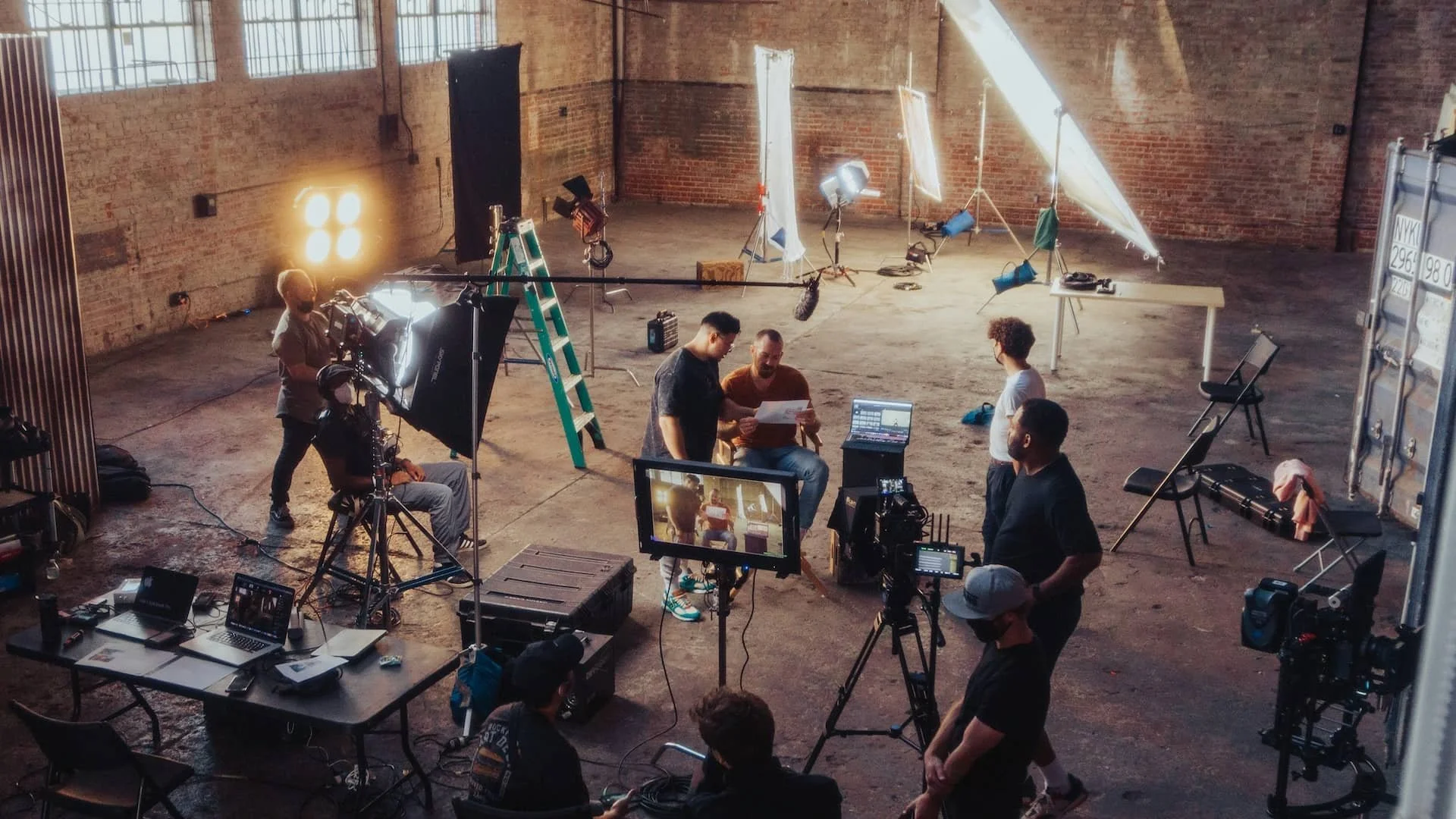
Imagine writing a script and seeing it storyboarded by a computer in seconds, or watching it create an animation instantly; it is the modern reality of filmmaking today. Artificial intelligence is no longer just a futuristic, sci-fi device – it is actively reshaping our lives as we speak. This includes the making of our favourite films and TV shows. But as technology continues its rapid growth, the industry faces a critical question: will AI make or break the soul of cinema?
AI is already being deployed in some areas of the film and TV production process, including the conceptualisation of new ideas, storyboarding, and visualisation. One may argue that utilising advanced technology such as AI is rather beneficial to the filmmaking industry, reducing time and human labour whilst producing first drafts and pre-production results. However, studies have shown that uncertainty arises when considering the extent of AI and how it will change production, extending to how those changes manifest throughout the content and distribution ecosystem. As a result, industry leaders face the potential threat of AI materially altering the industry’s structure and profit pools.
McKinsey & Company’s Alec Wrubel provided an insight into the perceived benefits of AI usage (1). It is commonly believed that with the assistance of AI and similar tools, better quality results are produced at an accelerated rate and lower cost. Wrubel draws on the film Star Wars: A New Hope, in the 1970s, in comparison to The Rise of Skywalker (2019) to challenge this assumption. He states that whilst the introduction of CGI resulted in increased visual fidelity, they did not reduce the overall cost of filmmaking. Instead, studios often reinvest these technological efficiencies into creating more visually ambitious films. As a result, rather than replacing expenditure, incorporating technology like AI can be argued to enhance creative output rather than simply reducing production costs. Then, how useful is AI, really? Do the benefits outweigh the flaws?
AI’s continuous advancements result in its increased accessibility, extending far beyond its presence in the filmmaking industry. The prevalence of AI can also be seen in open platforms like YouTube and TikTok, where a variety of AI-generated content is viewed every day. This is where deeper issues can potentially arise, conflicting with legal aspects such as intellectual property (IP), liability, and consent. From a critical perspective, AI can be perceived as a “threat”, when considering deepfakes and AI-generated performers being able to replicate micro-expressions and vocal nuances effortlessly, without human involvement (2). Applications such as CapCut are widely available to the public, granting them access to the effortless creation of AI-generated videos. In comparison to those in the filmmaking industry, a sense of professionalism and legality is lost in the production process. As a result, it remains ambiguous who is liable when legal conflict arises.
That said, it is not wrong to address the extent of creativity AI can provide. As Jamie Vickers claims, “almost every major technological innovation in media has produced a format that nobody envisioned”. Essentially, even TV itself is a major new art form that we all have grown to love. Then there was the introduction of social media platforms, such as Instagram, allowing for free, creative self-expression. From this perspective, it is arguable that AI isn’t a replica of human creativity; it is a tool that can expand authentic human creativity and increase the value of content creation and storytelling. Considering this view, it is crucial to note the importance of balance. The use of AI poses as many benefits as it does threats; the key is to utilise it sparingly, avoiding ethical misuse (3).
One of the major concerns regarding AI is its impact on employment in the film and TV industry. Writers, actors, animators, editors and visual effects artists have all questioned whether AI could eventually replace aspects of their career. While AI has the potential of completing repetitive tasks successfully, many creatives argue that the storytelling of films is predominantly reliant on unique human experience – qualities that AI cannot replicate. Rather than replacing filmmakers, AI can be used collaboratively. Efficiency can improve in initial processes like generating first drafts and ideas, whilst simultaneously retaining authentic human creation. Therefore, the success of AI in the industry is largely dependent on humans’ responsibility towards using advanced technology and its implementation.
Ultimately, AI is neither the saviour nor the downfall of film and television. It offers significant opportunities to improve filmmaking processes, inspire creativity, and make production more accessible. However, it can also present ethical and legal challenges surrounding issues such as consent, authenticity, intellectual property, and liability. As AI continues to evolve, it is inevitable that it will become deeper embedded into our lives. The future of cinema will rely on maintaining a healthy balance between technological innovation and human creativity. If used ethically and with appropriate regulation, AI has the potential to enhance the future of filmmaking without replacing the people whose unique imagination gives cinema its soul.
Crystal Kan, July 2026
1: https://www.mckinsey.com/featured-insights/mckinsey-explainers/lights-camera-algorithm-how-ai-is-rewriting-the-rules-of-film-and-tv
2: https://ipwatchdog.com/2025/04/21/ai-ip-hollywood-finding-balance-verge-new-creative-class/
3: https://medium.com/@jeetpadhya35/ai-is-a-tool-not-a-replacement-how-artificial-intelligence-amplifies-human-capability-7a798ba864d2